Chronic Disease Management in Beverly Hills
Our Concierge Approach to Chronic Disease Management
Living with a chronic condition often means managing more than a diagnosis. Medications, laboratory results, symptoms, lifestyle factors, specialist recommendations, and changing health needs all need to work together. Our concierge approach to chronic disease management provides ongoing physician oversight designed to keep these pieces connected.
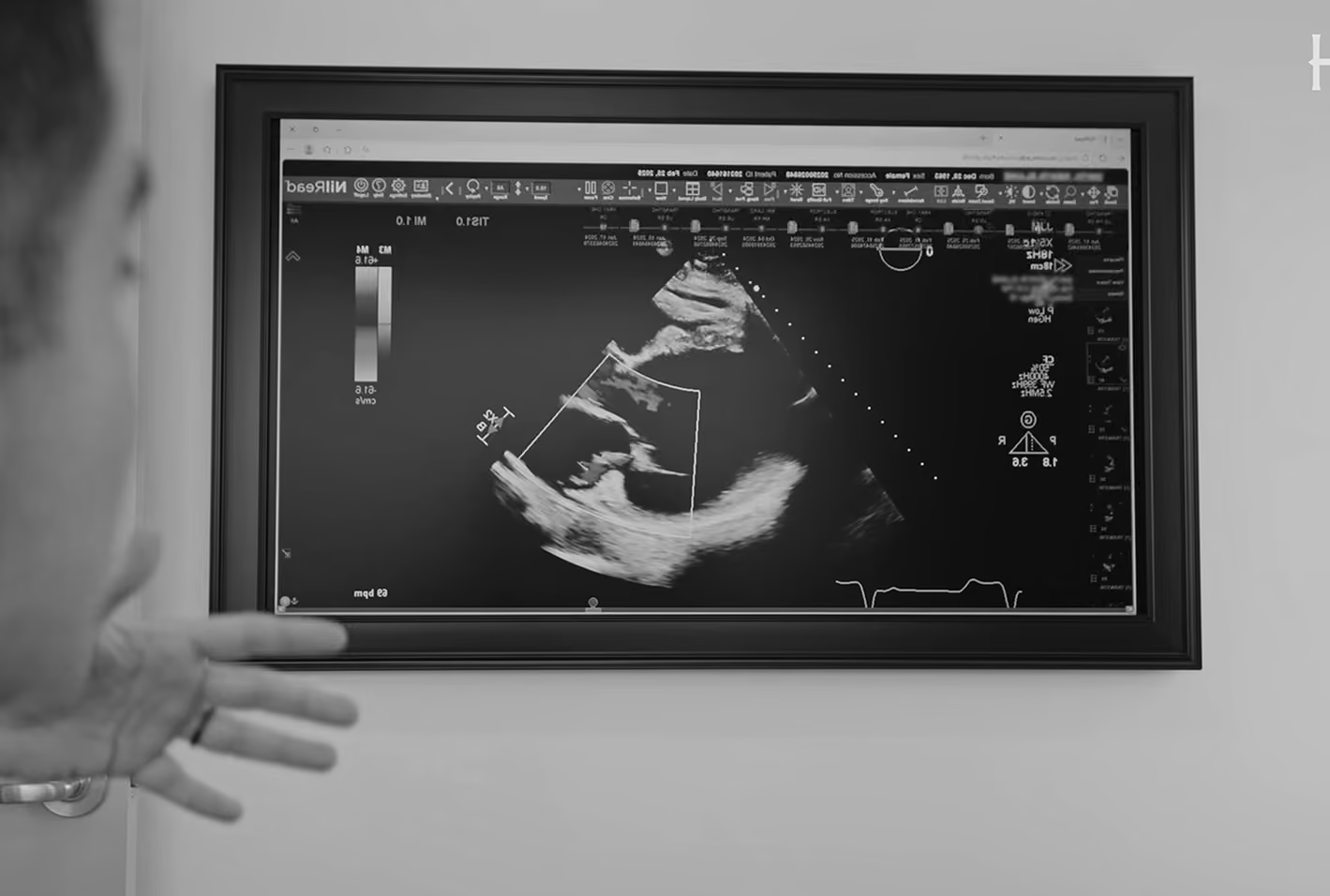
Dr. Omeed Warej brings a broad internal medicine foundation together with subspecialty expertise in cardiovascular disease. His training includes:
We manage chronic conditions with attention to both the condition itself and the factors that can influence how it progresses. Depending on your health history, care may involve medication management, laboratory monitoring, cardiovascular risk assessment, lifestyle interventions, preventive care, and coordination with specialists.
Our concierge model also provides continuity as your health changes. Because we maintain an ongoing relationship with you, we can follow trends in your symptoms, laboratory results, medications, and risk factors rather than evaluating each concern in isolation. When treatment needs to change, we can reassess the broader picture and determine the appropriate next step.
Chronic conditions can also overlap. High blood pressure, elevated cholesterol, diabetes, obesity, kidney disease, and cardiovascular disease may influence one another, while medications or lifestyle changes for one condition can affect another. Our approach considers these relationships when developing and adjusting your care plan.
If you are looking for chronic disease management in Beverly Hills, our goal is to give you a consistent physician relationship that helps manage your current conditions while keeping prevention and long-term health in view.
When Should I Consider Concierge Chronic Disease Management?
Ongoing physician management may be appropriate when you have a diagnosed chronic condition that requires monitoring, medication, lifestyle changes, or coordination with other healthcare providers. You may benefit from a more comprehensive approach if you:
- Have high blood pressure or other cardiovascular risk factors
- Have high cholesterol or abnormal lipid levels
- Have diabetes, prediabetes, or insulin resistance
- Are managing obesity or weight-related metabolic concerns
- Take multiple medications that require ongoing monitoring
- Have a chronic condition that has become more difficult to control
- Need regular laboratory testing to monitor your condition or treatment
- Have experienced medication side effects or difficulty with your current treatment
- See multiple specialists and want one physician helping coordinate your overall care
- Have cardiovascular disease or a significant family history of heart disease
- Want lifestyle and nutrition strategies incorporated into your medical treatment
- Have had a recent hospitalization, urgent care visit, or change in diagnosis
- Want to better understand how different chronic conditions may be affecting one another
- Want a physician who can monitor your health over time rather than address each issue separately
Chronic disease management is most effective when your treatment plan is revisited as your health changes. Our concierge model allows us to monitor your progress, evaluate new concerns, and adjust your care when clinically appropriate.
What to Expect From Our Concierge Chronic Disease Management
Our membership-based chronic condition management is individualized to your diagnosis, medical history, current treatment, and long-term health goals.
Depending on your needs and membership level, your care may include:
We review your diagnosis, symptoms, medical history, family history, medications, laboratory results, and relevant lifestyle factors.
We evaluate your prescriptions and supplements, monitor effectiveness and potential side effects, and make adjustments when clinically appropriate.
Appropriate bloodwork and other testing can help track disease activity, treatment response, and potential complications.
When relevant, Dr. Warej can evaluate cardiovascular risk using his subspecialty training and appropriate diagnostic testing.
We can monitor blood pressure trends and address contributing factors, medication needs, and associated cardiovascular risk.
Lipid levels and other cardiovascular biomarkers may be monitored to inform individualized risk-reduction strategies.
When appropriate, care may address glucose regulation, insulin resistance, weight, and other interconnected metabolic concerns.
Nutrition, exercise, sleep, weight management, and other lifestyle factors can be incorporated into your treatment strategy.
When clinically appropriate, GLP-1 medications may be considered as part of a broader approach to weight and metabolic health.
When your condition requires specialty care, we can help coordinate referrals and incorporate relevant specialist recommendations into your overall plan.
After a hospitalization or urgent care visit, we can review what occurred, reconcile medications, and establish appropriate next steps.
We continue to provide age- and risk-appropriate screenings, immunizations, and other preventive services while managing your chronic conditions.
Regular follow-up allows us to identify meaningful changes in your condition and modify your treatment plan as needed.
Certain follow-up visits and medication-management concerns may be addressed virtually when an in-person evaluation is not necessary.
Our goal is to make chronic condition management more coordinated and responsive. Rather than focusing exclusively on disease-specific numbers, we consider how your condition, treatment, lifestyle, cardiovascular risk, and overall health interact.
Our Concierge Primary Care Membership Programs
Chronic disease management is integrated into our broader concierge healthcare model and is available according to your membership level and individual needs.
Cardiovascular Specialty Membership
Designed for patients who maintain an existing primary care physician but want dedicated cardiovascular oversight from Dr. Warej. Chronic cardiovascular conditions and risk factors can be managed within the scope of cardiovascular care, while general primary care remains with your existing physician.
Cardiovascular + Primary Care Membership
Combines comprehensive primary care and cardiovascular care, allowing Dr. Warej to manage chronic conditions alongside preventive care, medications, metabolic health, and other primary healthcare needs.
Executive Concierge Program
Our most comprehensive level of care, with enhanced physician access and three tiers of concierge service. Depending on the selected level, members receive expanded physician access, care coordination, and additional support for complex or ongoing healthcare needs.
The right membership for you depends on the conditions you need managed, whether you want Dr. Warej to serve as your primary care physician, and the level of physician access and coordination you want.

FAQs About Chronic Disease Management
What conditions can be managed through concierge primary care?
Concierge primary care can provide ongoing management for many chronic conditions, including hypertension, high cholesterol, diabetes, prediabetes, obesity, metabolic concerns, and other common adult medical conditions. The appropriate scope depends on the condition and whether specialty care is also required. Patients looking for chronic disease management in Beverly Hills can benefit from having a physician who understands how multiple conditions and treatments interact.
How is chronic disease management different from treating an acute illness?
Acute care focuses on a new or immediate medical concern, while chronic disease management involves ongoing monitoring, treatment adjustment, prevention of complications, and attention to long-term health. A concierge model allows these approaches to remain connected because your physician can address a new symptom while considering how it relates to an existing condition, medication, or broader health plan.
Can one doctor manage multiple chronic conditions at the same time?
A primary care physician can often coordinate care for multiple chronic conditions, particularly when those conditions overlap. Hypertension, cholesterol abnormalities, diabetes, weight concerns, and cardiovascular risk, for example, may require an integrated strategy. When a condition requires specialty expertise, your primary care physician can also coordinate with the appropriate specialist and incorporate that care into your overall treatment plan.
When should I see an internal medicine doctor for chronic conditions?
An internal medicine physician is trained to diagnose and manage a broad range of adult medical conditions and can be particularly valuable when multiple health issues overlap. Patients searching for the best internal medicine doctor in Beverly Hills may want to consider a physician's experience managing complex adult health concerns, approach to preventive care, and ability to coordinate specialty care when necessary.
Can chronic disease management include medication and lifestyle changes?
Yes. Effective long-term management often involves both medical treatment and lifestyle factors. Depending on the condition, care may include prescription medications, nutrition changes, exercise, weight management, sleep optimization, monitoring, and other interventions. Medication changes should be based on your individual medical history, treatment response, and clinical needs.
How often should a chronic condition be monitored?
There is no single schedule that applies to every chronic condition. Monitoring frequency depends on the diagnosis, severity, medications, treatment changes, laboratory findings, and overall risk. Some conditions may require more frequent follow-up when treatment is being adjusted, while stable conditions may require less frequent monitoring. Ongoing physician oversight helps determine when follow-up or additional testing is appropriate.
Can a concierge physician coordinate care with my specialists?
Yes. Care coordination is an important part of a comprehensive chronic care strategy. When you see multiple specialists, our role can include reviewing their recommendations, helping maintain an accurate medication list, monitoring issues that cross specialties, and keeping your broader health goals in view. This can help reduce fragmentation when several physicians are involved in your care.
What if my chronic condition suddenly gets worse?
A sudden change in symptoms may require prompt evaluation. Depending on the severity and nature of the change, we can determine whether you need a same-day or next-day primary care evaluation, diagnostic testing, urgent care, specialty assessment, or emergency treatment. Severe or potentially life-threatening symptoms should be evaluated through emergency medical services or an emergency department rather than waiting for a primary care appointment.
Can chronic disease management help reduce future health risks?
Ongoing management can help control known risk factors and identify changes that may require earlier intervention. Depending on your condition, this may include managing blood pressure, cholesterol, glucose, weight, medications, cardiovascular risk, and lifestyle factors. The goal is to manage your current health while reducing the likelihood of preventable complications when possible.