Heart Valvular Disease Treatment in Beverly Hills
What Is Valvular Disease?
Valvular disease occurs when one or more of the heart's valves do not open or close properly, affecting the normal flow of blood through the heart. Valve problems can develop gradually and may cause few or no symptoms in their early stages. Over time, however, certain forms of valvular disease can place additional strain on the heart and contribute to complications such as heart failure, abnormal heart rhythms, or reduced exercise capacity.
Dr. Omeed Warej combines expertise in internal medicine and cardiovascular disease to evaluate suspected or diagnosed valvular disease within the context of your overall health. He considers your symptoms, medical history, cardiovascular risk factors, physical examination, and available imaging to determine the severity of a valve condition and whether additional evaluation or monitoring is appropriate.
As a double board-certified cardiologist, Dr. Warej can help identify changes in heart valve function and determine when more specialized cardiovascular evaluation may be warranted. When a patient requires interventional cardiology, cardiac surgery, or other advanced valve care, he can coordinate appropriate specialty evaluation.
The Signs and Symptoms of Heart Valvular Disease
Valvular disease does not always cause noticeable symptoms, particularly when a valve abnormality is mild. As the condition progresses, symptoms may include:
Difficulty breathing during physical activity or, in more advanced cases, at rest
Becoming unusually tired or winded during activities that were previously manageable
Persistent tiredness related to reduced cardiac efficiency
Awareness of a racing, fluttering, or irregular heartbeat
Pressure, tightness, or discomfort that may occur with exertion
Feeling faint or unsteady, particularly during physical activity
Loss of consciousness or a sensation that you may pass out
Fluid retention affecting the ankles, legs, feet, or abdomen
A rapid increase in weight that may reflect fluid accumulation
New or severe chest pain, significant difficulty breathing, fainting, or other potentially serious symptoms require immediate medical evaluation rather than waiting for a routine cardiology appointment.
How Heart Valvular Disease Is Treated
Treatment for valvular disease depends on the affected valve, the type and severity of the abnormality, whether symptoms are present, how well the heart is functioning, and the risk of future complications. Some valve conditions can be safely monitored over time, while others may require medication, additional imaging, a specialized procedure, or surgical treatment.
Dr. Warej begins by determining how the valve condition is affecting your cardiovascular health and whether further evaluation is needed.
Depending on your circumstances, care may include:
Reviewing symptoms, medical history, physical findings, and prior cardiac testing
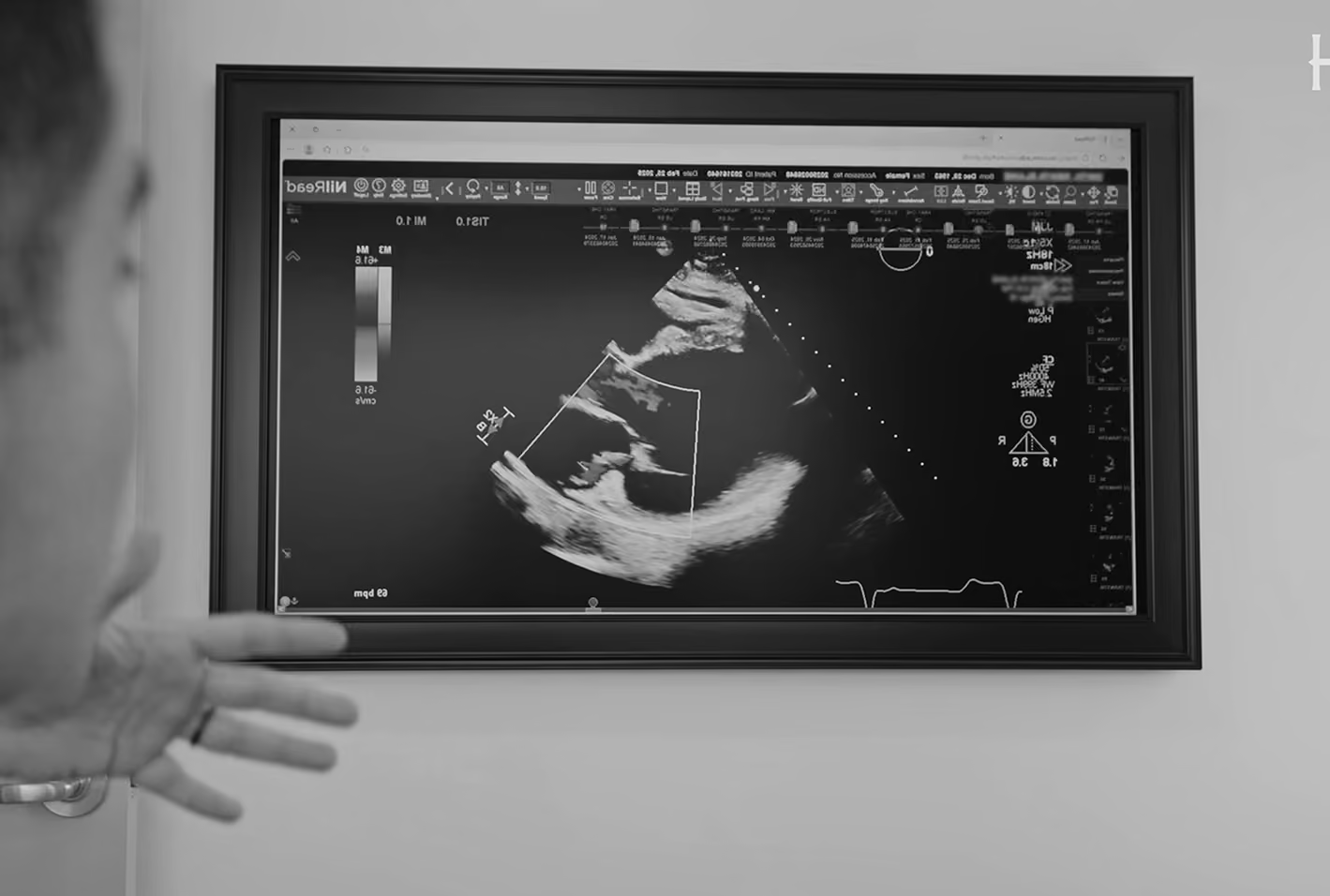
Using cardiac ultrasound to evaluate valve structure, blood flow, and heart function
Considering blood pressure, cholesterol, family history, cardiovascular disease, and other factors that may influence overall risk
Managing medications that address symptoms, blood pressure, fluid retention, or related cardiovascular conditions when appropriate
Tracking symptoms, heart function, and changes in valve disease over time
Addressing physical activity, nutrition, weight, and other factors relevant to cardiovascular health
Referring to interventional cardiology, cardiac surgery, or other cardiovascular specialists when advanced treatment is appropriate
Valvular disease does not automatically mean that a procedure or surgery is necessary. Some patients can be monitored safely for years with periodic cardiovascular evaluations and imaging. When intervention becomes appropriate, identifying changes in valve function and overall cardiac health can help determine whether additional treatment is warranted.
Our Concierge Primary Care Membership Programs
Valvular disease care can be incorporated into our concierge membership structure, with the scope of cardiovascular services varying by membership level.
Cardiovascular Specialty Membership
Designed for patients who maintain a trusted primary care physician but want dedicated cardiovascular oversight. Dr. Warej can evaluate and monitor cardiovascular concerns, including valvular disease, while coordinating with your primary care physician as needed.
Cardiovascular + Primary Care Membership
Dr. Warej serves as both your primary care physician and cardiologist, allowing valve disease to be considered alongside your medications, chronic conditions, preventive care, and overall health.
Executive Concierge Program
Our most comprehensive membership, with enhanced physician access and three levels of concierge service. Depending on the selected level, members may receive priority access, direct physician communication, broader care coordination, and additional cardiovascular and preventive services.
The appropriate membership depends on the level of cardiovascular oversight you need and whether you want your cardiology care integrated with comprehensive primary care.

FAQs About Heart Valvular Disease
What type of doctor treats heart valve disease?
A valvular disease cardiologist in Beverly Hills can evaluate conditions affecting the heart valves, determine the severity of the disease, monitor changes over time, and identify when specialized intervention may be appropriate. More complex cases may require coordination with an interventional cardiologist or cardiac surgeon.
How is valvular disease diagnosed?
Evaluation typically begins with a medical history, symptom review, physical examination, and cardiovascular testing. An echocardiogram is commonly used to examine the heart valves, assess blood flow, and evaluate overall heart function. Additional testing may be recommended depending on the suspected valve condition and its severity.
Can heart valve disease exist without symptoms?
Yes. Mild or slowly progressing valvular disease may cause few noticeable symptoms, particularly in its early stages. Some valve abnormalities are discovered during a routine examination or cardiovascular imaging performed for another reason. Regular monitoring can help identify changes before symptoms become significant.
When should I see a cardiologist for a heart murmur?
A heart murmur does not necessarily indicate heart disease, but a new, changing, or unexplained murmur may warrant cardiovascular evaluation. A cardiologist can determine whether the murmur is associated with a structural valve abnormality and whether an echocardiogram or other testing is appropriate.
Can valvular disease be treated without surgery?
Some forms of valvular disease can be managed with observation, regular imaging, medications for related cardiovascular conditions, and lifestyle measures. When a valve becomes severely dysfunctional, begins to affect heart function, or causes significant symptoms, a procedure or surgical intervention may be appropriate.
What is the best way to monitor a heart valve problem?
Monitoring depends on the specific valve involved, the severity of the disease, symptoms, and heart function. Regular cardiovascular evaluations and echocardiography may be used to track changes. A personalized monitoring schedule allows treatment decisions to be based on how the condition is progressing rather than on a single test result.
Can valvular disease increase my risk of heart failure?
Certain forms of significant valve disease can place additional pressure or volume demands on the heart and may eventually contribute to heart failure if left untreated. Early evaluation and appropriate monitoring can help identify changes in valve function and cardiac performance, allowing treatment to be considered when necessary.