Heart Disease Treatment in Beverly Hills
Heart disease refers to a broad group of conditions that affect the heart and cardiovascular system, including coronary artery disease, atherosclerosis, heart failure, valvular disease, and abnormal heart rhythms. Some conditions develop gradually without noticeable symptoms, while others may cause chest discomfort, shortness of breath, fatigue, palpitations, or reduced exercise tolerance.
Dr. Omeed Warej offers expertise in both internal medicine and cardiovascular disease for the evaluation and management of heart disease. He considers your symptoms, medical history, family history, blood pressure, cholesterol, metabolic health, lifestyle, and other cardiovascular risk factors to understand how they may be affecting your heart.
His approach is designed to identify the specific cardiovascular condition involved while also considering the factors that may influence its progression. Depending on your needs, Dr. Warej can provide cardiovascular testing, medication management, preventive care, and ongoing monitoring, while coordinating specialized cardiology care when more advanced treatment is appropriate.
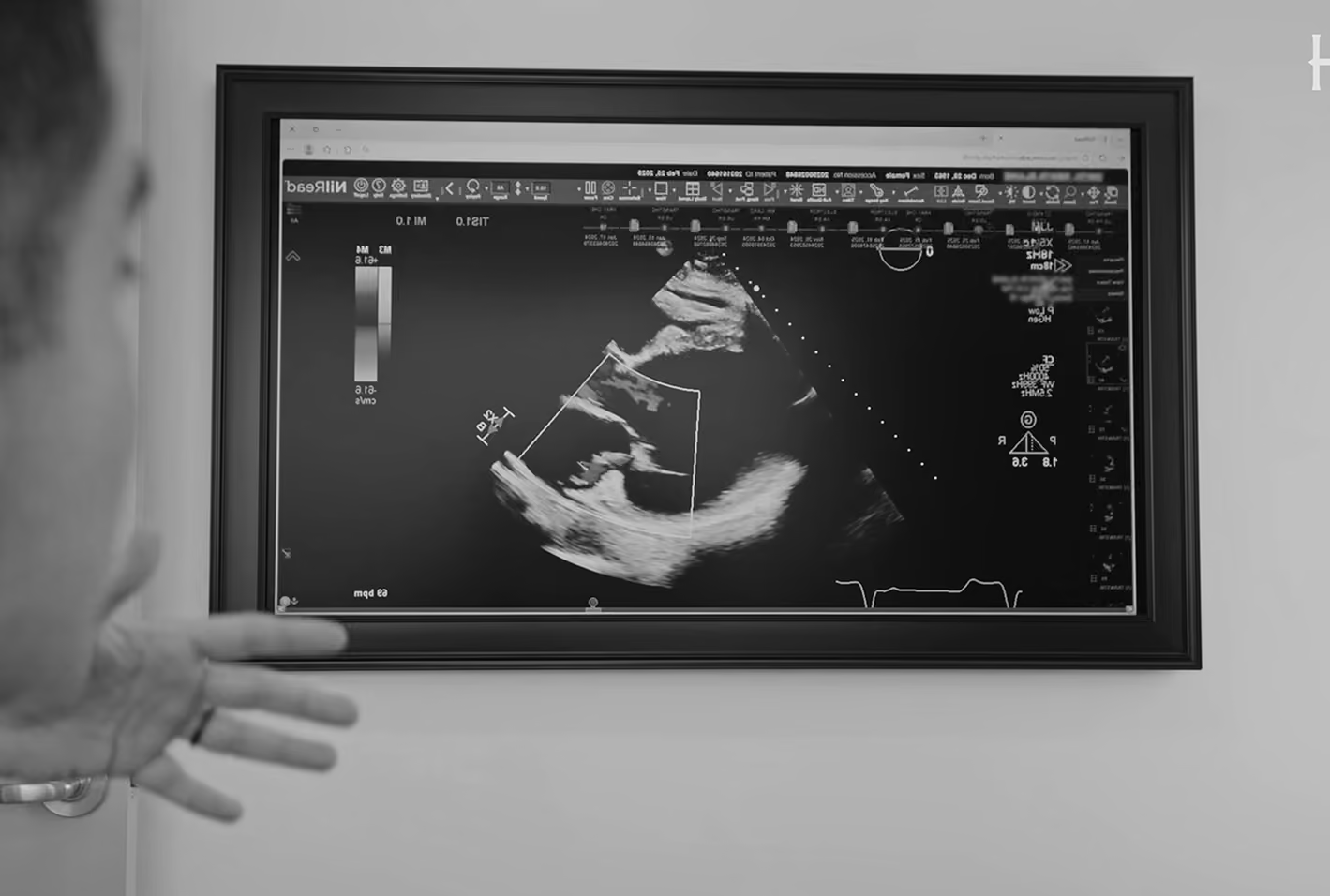
The Signs and Symptoms of Heart Disease
Heart disease can produce very different symptoms depending on the underlying condition. Some patients have no noticeable symptoms, while others may experience:
Pressure, tightness, heaviness, or pain that may occur with exertion or at rest
Difficulty breathing during activity or, in some cases, while resting or lying down
Persistent tiredness or reduced ability to perform normal activities
Becoming unusually winded or fatigued during physical activity
Awareness of pounding, racing, fluttering, or irregular heartbeats
Feeling faint or unsteady
Loss of consciousness or a sensation that you may pass out
Fluid retention affecting the legs, ankles, feet, or abdomen
Pain or cramping that may indicate reduced blood flow to the extremities
Some forms of heart disease remain silent until significant cardiovascular damage has occurred. Severe chest pain, significant difficulty breathing, fainting, sudden weakness or numbness, or other potentially serious symptoms require immediate medical evaluation rather than waiting for a routine appointment.
How Heart Disease Is Treated
Heart disease treatment depends on the specific condition, its severity, your symptoms, heart function, cardiovascular risk profile, and other medical factors. Some patients primarily need risk-factor management and monitoring, while others require medications, advanced cardiovascular testing, procedures, or coordinated specialty care.
Dr. Warej begins by determining the type of cardiovascular problem that may be present and the information needed to guide treatment.
Depending on your circumstances, care may include:
Reviewing symptoms, medical history, family history, physical findings, and prior cardiac testing
Using EKGs, echocardiography, stress testing, vascular ultrasound, advanced laboratory testing, or other cardiovascular assessments when appropriate
Evaluating blood pressure, cholesterol, glucose regulation, family history, lifestyle, and other contributors to cardiovascular disease
Reviewing and adjusting medications used to treat heart disease and related conditions
Addressing weight, nutrition, physical activity, sleep, blood sugar, and other modifiable cardiovascular risk factors
Developing individualized strategies to reduce the risk of future cardiovascular events
Tracking symptoms, laboratory results, cardiovascular findings, and response to treatment over time
Coordinating with electrophysiologists, interventional cardiologists, heart failure specialists, cardiac surgeons, or other specialists when appropriate
Heart disease is not a single diagnosis with one standard treatment. The appropriate approach depends on the type of condition involved and how it affects your overall cardiovascular health. Dr. Warej can help determine which interventions are appropriate now and which risk factors or findings should continue to be monitored over time.
Our Concierge Primary Care Membership Programs
Heart disease care can be incorporated into our concierge membership structure, with the scope of cardiovascular and primary care services varying by membership level.
Cardiovascular Specialty Membership
Designed for patients who maintain a trusted primary care physician but want dedicated cardiovascular oversight. Dr. Warej can evaluate and manage heart disease and related cardiovascular risk while coordinating with your primary care physician as needed.
Cardiovascular + Primary Care Membership
Dr. Warej serves as both your primary care physician and cardiologist, allowing heart disease management to be addressed alongside medications, chronic conditions, preventive care, metabolic health, and your broader healthcare needs.
Executive Concierge Program
Our most comprehensive membership, with enhanced physician access and three levels of concierge service. Depending on the selected level, members may receive priority access, direct physician communication, broader care coordination, and additional cardiovascular and preventive services.
The appropriate membership depends on whether you want dedicated cardiovascular oversight or prefer a more comprehensive physician relationship that integrates primary care with ongoing cardiovascular management.

FAQs About Heart Disease
What type of doctor treats heart disease?
A cardiologist is the physician most commonly involved in evaluating and treating heart disease. A cardiologist in Beverly Hills can assess symptoms, cardiovascular risk factors, heart function, and diagnostic findings while determining whether medication, monitoring, advanced testing, or specialized care is appropriate.
What is coronary artery disease, and how is it treated?
Coronary artery disease occurs when plaque builds up in the arteries that supply blood to the heart. A coronary artery disease doctor in Beverly Hills can evaluate cholesterol, blood pressure, metabolic health, symptoms, family history, and other risk factors to determine whether preventive treatment, medication, diagnostic testing, or additional cardiology care is appropriate.
When should I see a coronary artery disease cardiologist?
A cardiovascular evaluation may be appropriate if you have chest discomfort, unexplained shortness of breath, reduced exercise tolerance, known arterial plaque, significant cholesterol abnormalities, diabetes, or a strong family history of cardiovascular disease. A coronary artery disease cardiologist in Beverly Hills can determine whether additional testing is needed to evaluate coronary risk or established disease.
Can you have heart disease without symptoms?
Yes. Conditions such as atherosclerosis, coronary artery disease, high blood pressure, and some forms of valvular disease can develop without noticeable symptoms. Preventive cardiovascular evaluation can sometimes identify risk factors or early disease before a patient experiences a significant cardiovascular event.
What tests are used to evaluate heart disease?
Testing depends on your symptoms, medical history, and suspected condition. Evaluation may include an EKG, echocardiogram, stress testing, vascular ultrasound, blood testing, advanced lipid biomarkers, coronary calcium scoring, coronary CT angiography, or other cardiovascular studies when clinically appropriate.
What does a heart disease prevention doctor do?
A heart disease prevention doctor focuses on identifying cardiovascular risk factors before they lead to major disease or complications. A best heart disease prevention doctor in Beverly Hills should be able to evaluate blood pressure, cholesterol, glucose regulation, family history, lifestyle, metabolic health, and other factors while developing a personalized strategy for long-term risk reduction.
How is heart valve disease evaluated?
Valvular disease can affect how blood moves through the heart and may require ongoing imaging and cardiovascular monitoring. Patients looking for the best valve disease cardiologist in Beverly Hills should consider a physician who can evaluate valve function, interpret appropriate cardiac imaging, monitor progression, and coordinate interventional or surgical care when necessary.