Sports Cardiology Clearance in Beverly Hills
Sports cardiology clearance is a cardiovascular evaluation designed to determine whether an athlete or highly active individual can safely participate in exercise or competitive sports. The appropriate level of evaluation depends on your age, training intensity, symptoms, medical history, family history, and the demands of your sport.
Dr. Omeed Warej combines expertise in internal medicine and cardiovascular disease to evaluate athletes from a comprehensive cardiovascular perspective. He considers your exercise history, training volume, symptoms, blood pressure, family history, medications, and other factors that may influence cardiovascular safety during physical activity.
For some athletes, a focused evaluation and EKG may provide the information needed for clearance. Others may require additional cardiovascular testing, particularly when there are concerning symptoms, abnormal findings, a significant family history, or a high level of athletic training. The goal is to determine what evaluation is appropriate for you without ordering unnecessary testing.
Who May Benefit From a Sports Cardiology Evaluation?
Athletes do not need to have known heart disease to benefit from cardiovascular screening. A sports cardiology evaluation may be appropriate if you:
Participate in competitive athletics or high-intensity training
Are returning to sport after a prolonged period away from exercise
Have experienced unexplained chest discomfort during exercise
Notice unusual shortness of breath or reduced exercise capacity
Experience palpitations, rapid heartbeats, dizziness, or fainting during or after exercise
Have a personal history of a heart murmur or cardiovascular condition
Have a family history of premature cardiac disease or sudden cardiac death
Have had an abnormal EKG or other cardiovascular test
Are beginning a substantially more demanding training program
Want an objective cardiovascular baseline before increasing training intensity
Want to better understand your heart health in the context of athletic performance
A sports cardiology evaluation can also be useful for athletes who have no symptoms but want greater confidence in their cardiovascular health before committing to higher levels of training or competition.
What Happens During Sports Cardiology Clearance?
Depending on your history, goals, and risk factors, your evaluation may include:
Dr. Warej reviews your training history, current activity level, exercise tolerance, symptoms, medications, relevant medical conditions, and family history. The type of sport and intensity of training are also important considerations.
A focused cardiovascular examination can help identify findings that warrant further evaluation, such as abnormal heart sounds, blood pressure concerns, or other potential cardiovascular issues.
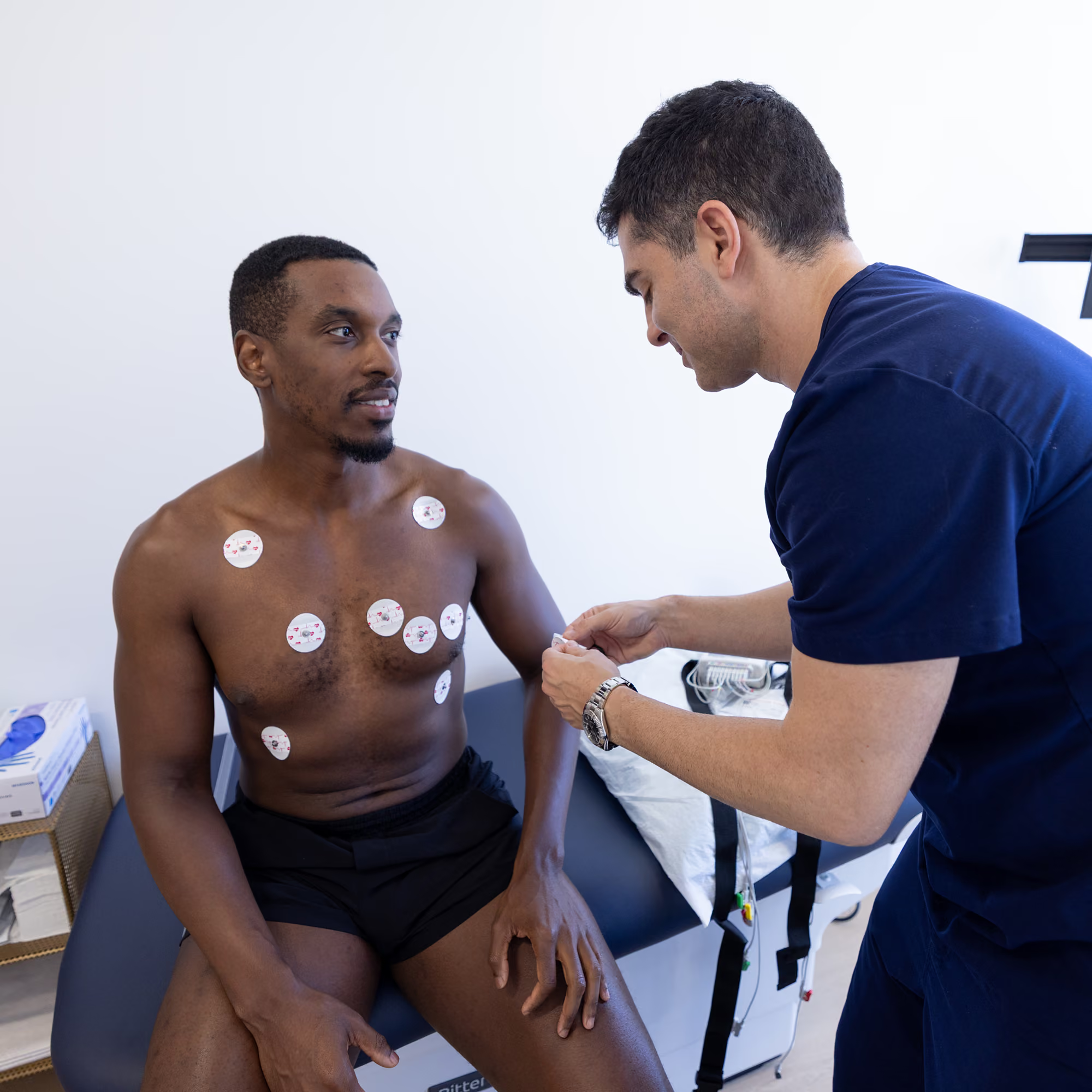
An EKG records the heart's electrical activity and may help identify certain rhythm abnormalities or other findings that warrant additional assessment.
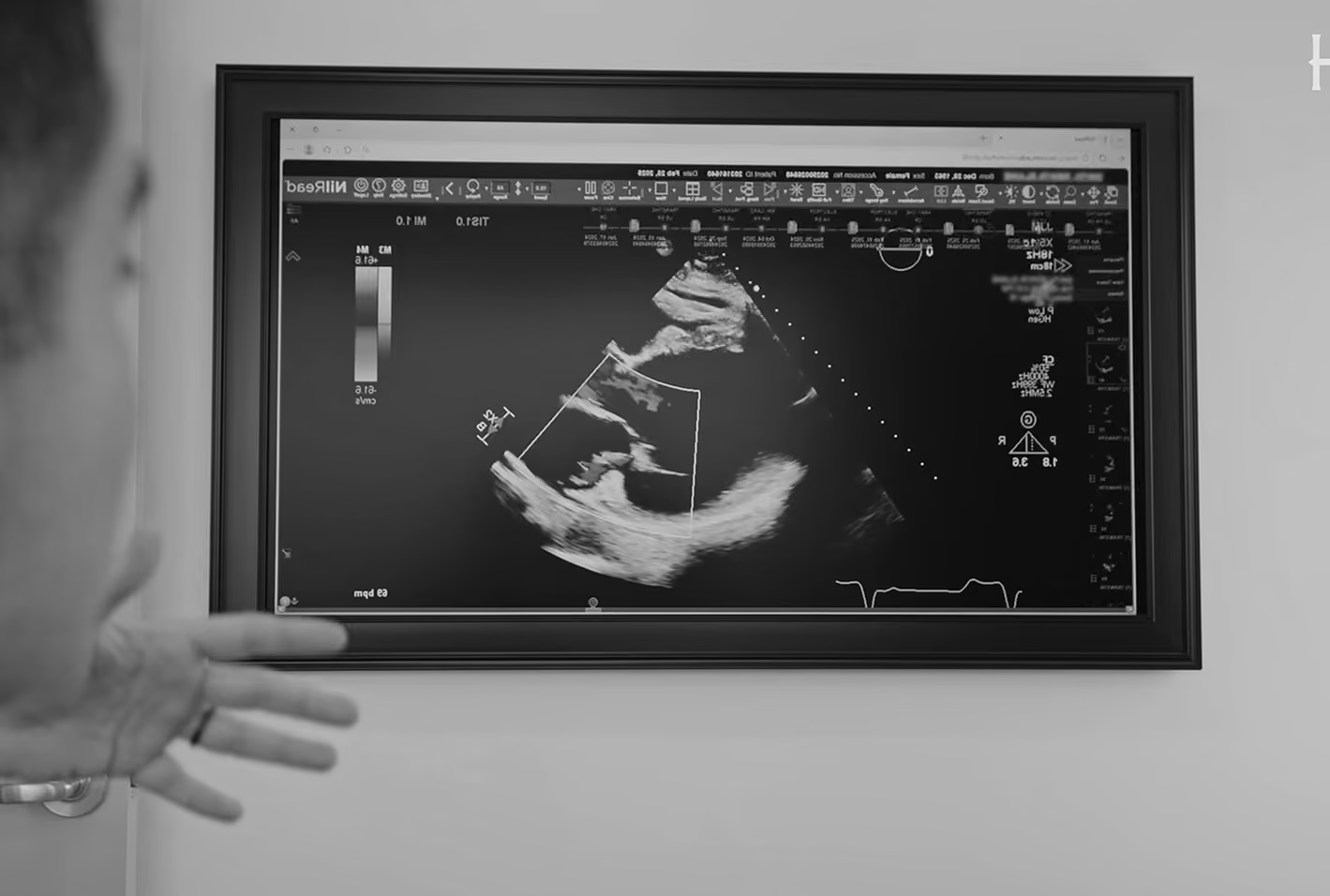
When clinically appropriate, an echocardiogram can evaluate heart structure and function, including the heart chambers, valves, and pumping function.
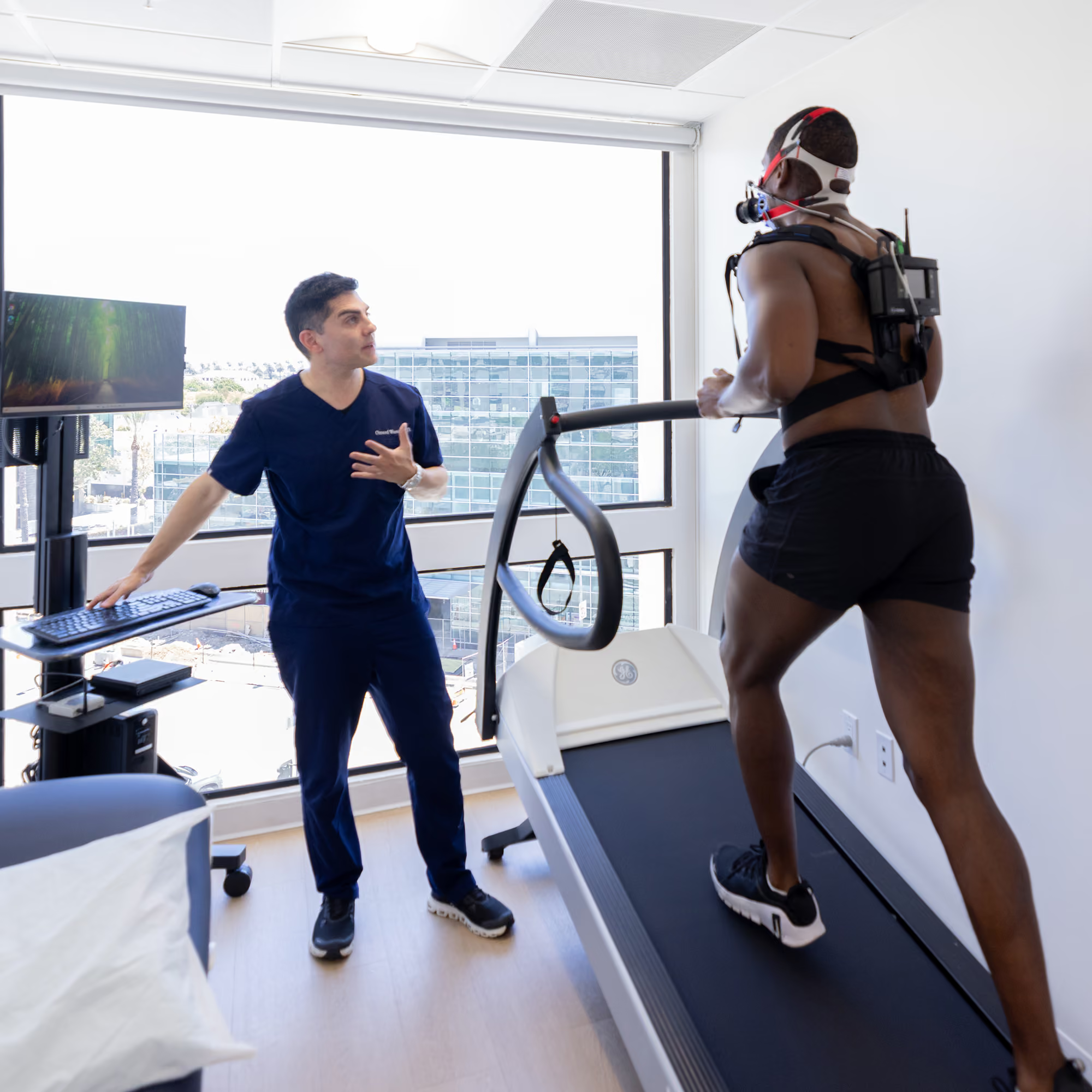
An exercise treadmill stress test may be considered when symptoms, cardiovascular risk, or other findings warrant evaluation of how the heart responds to exertion.
For athletes interested in both performance and clearance, cardiopulmonary exercise testing can provide objective information about exercise capacity, oxygen utilization, and the cardiovascular and respiratory responses to increasing workloads.
Athletes who experience palpitations, dizziness, fainting, or other rhythm-related symptoms may require additional monitoring to determine whether an abnormal heart rhythm is present.
After reviewing the available findings, Dr. Warej can determine whether you are appropriate for your intended level of physical activity and whether any additional evaluation, monitoring, treatment, or specialty care is warranted.
Sports Clearance Is Not Just About Checking a Box
Sports clearance should provide meaningful information about cardiovascular safety rather than functioning as a routine administrative formality. The appropriate evaluation depends on the individual athlete.
A young competitive athlete with no symptoms and no relevant family history may need a very different assessment from a masters athlete returning to high-intensity training after years away from competition. Similarly, an athlete experiencing exercise-related palpitations or declining performance may require a more extensive cardiovascular workup than someone seeking a baseline evaluation.
Dr. Warej can also help distinguish normal physiologic adaptations to athletic training from findings that may require additional investigation. This can be especially important for highly trained athletes, whose resting heart rate, cardiac structure, and exercise responses may differ from those of the general population.
When Should an Athlete See a Cardiologist?
Certain symptoms or circumstances deserve cardiovascular attention rather than simply being attributed to conditioning, dehydration, fatigue, or overtraining. Consider an evaluation if you experience:
- Chest discomfort during exercise
- Unexplained shortness of breath
- Fainting or near-fainting during physical activity
- Recurrent palpitations during exercise
- A noticeable decline in exercise capacity without an obvious explanation
- An abnormal EKG or cardiac imaging result
- A newly identified heart murmur
- A personal history of cardiovascular disease
- A family history of sudden cardiac death or premature cardiovascular disease
Any severe or sudden chest pain, significant difficulty breathing, fainting, or other potentially serious symptoms require immediate medical evaluation rather than waiting for a routine sports cardiology appointment.
Our Concierge Primary Care Membership Programs
Sports cardiology care can be incorporated into our concierge membership structure, with the scope of cardiovascular services varying by membership level.
Cardiovascular Specialty Membership
Designed for patients who maintain a trusted primary care physician but want dedicated cardiovascular oversight. Dr. Warej can evaluate athletic cardiovascular concerns, provide appropriate cardiovascular monitoring, and coordinate with your primary care physician as needed.
Cardiovascular + Primary Care Membership
Dr. Warej serves as both your primary care physician and cardiologist, allowing sports-related cardiovascular concerns to be considered alongside preventive care, medications, metabolic health, and your overall health.
Executive Concierge Program
Our most comprehensive membership, with enhanced physician access and three levels of concierge service. Depending on the selected level, members may receive priority access, direct physician communication, broader care coordination, and additional cardiovascular and preventive services.
The right membership depends on whether you are primarily seeking cardiovascular oversight or want athletic health integrated into a broader relationship with primary and cardiovascular care.

FAQs About Sport Clearance
What does a sports cardiologist do?
A sports cardiologist evaluates how the cardiovascular system responds to exercise and helps identify conditions that may affect an athlete's safety or performance. A sports cardiology evaluation may include an EKG, echocardiogram, exercise testing, rhythm evaluation, or other cardiovascular testing depending on the athlete's history and symptoms.
Do all athletes need cardiac clearance before exercising?
Not every athlete requires the same level of cardiovascular evaluation. The need for sports cardiology clearance depends on factors such as the athlete's age, sport, training intensity, symptoms, personal history, family history, and previous test results. A physician can determine whether focused screening or more extensive testing is appropriate.
What is included in sports cardiology screening?
Sports cardiology screening in Beverly Hills may include a medical and athletic history, cardiovascular examination, resting EKG, and additional testing when indicated. Depending on the athlete, evaluation may also include echocardiography, exercise stress testing, CPET, VO2max testing, or rhythm monitoring.
Can I get sports cardiology clearance if I have a heart condition?
Some athletes with known cardiovascular conditions can continue to exercise or compete with appropriate medical evaluation and monitoring. The decision depends on the specific condition, its severity, symptoms, treatment, and the demands of the sport. Clearance should be individualized rather than based solely on the presence of a diagnosis.
What tests can evaluate an athlete's heart during exercise?
Exercise testing can evaluate how heart rate, blood pressure, rhythm, oxygen utilization, and exercise capacity respond to increasing physical demands. Depending on the clinical question, testing may include an exercise treadmill stress test or cardiopulmonary exercise testing with VO2max assessment.
When should an athlete see a sports cardiologist rather than rely on a routine physical?
A routine physical may be appropriate for general health, but athletes with exercise-related symptoms, abnormal cardiac findings, significant cardiovascular risk factors, or a concerning family history may benefit from more specialized evaluation. A sports cardiologist can assess cardiovascular health specifically in the context of the athlete's training and performance demands.
How do I choose the best sports cardiologist in Beverly Hills?
When considering the best sports cardiologist in Beverly Hills, look for strong cardiovascular training, experience evaluating athletes, access to appropriate diagnostic and exercise testing, and an approach that considers both medical safety and athletic goals. Dr. Warej's dual board certification in internal medicine and cardiovascular disease provides a broad foundation for evaluating athletes within the context of their overall health.