Heart Failure Treatment in Beverly Hills
What Is Heart Failure?
Heart failure is a condition in which the heart cannot pump or fill with blood as effectively as it should. It can develop gradually or occur after another cardiovascular problem, and symptoms may range from mild fatigue or shortness of breath to significant fluid retention and difficulty breathing. With appropriate evaluation and management, many patients can reduce symptoms, address contributing conditions, and lower the risk of further cardiovascular complications.
Dr. Omeed Warej brings expertise in both internal medicine and cardiovascular disease to the evaluation and management of heart failure. He considers your symptoms, medical history, medications, blood pressure, cardiovascular risk factors, prior testing, and other relevant health conditions when determining the appropriate approach to care.
As a double-board-certified cardiologist, Dr. Warej can evaluate heart failure in the context of your overall cardiovascular and metabolic health. When a patient's condition requires advanced heart failure care, procedures, or additional subspecialty expertise, he can coordinate appropriate specialty evaluation and ongoing care.
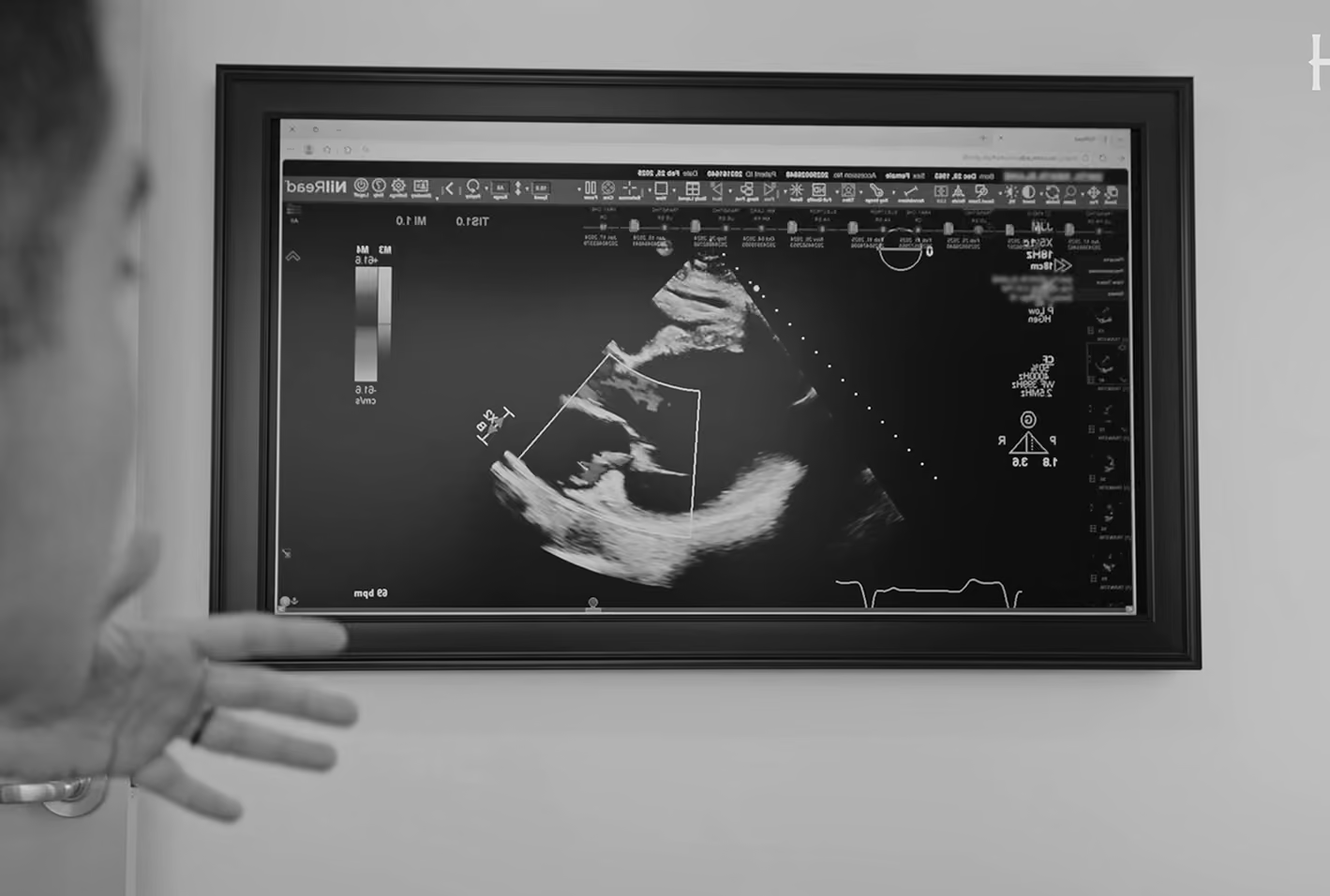
The Signs and Symptoms of Heart Failure
Heart failure symptoms can develop gradually and may sometimes be mistaken for normal aging, reduced fitness, or another medical condition. Common signs and symptoms may include:
Difficulty breathing during physical activity or while lying flat
Persistent tiredness or reduced ability to perform normal activities
Becoming unusually tired or short of breath during activities that were previously manageable
Fluid buildup in the legs, ankles, feet, or abdomen
A sudden increase in weight caused by fluid retention
Breathing symptoms that may worsen when lying down
A noticeable change in heart rate or rhythm
Needing additional pillows or feeling short of breath when lying down
Fluid accumulation can affect digestion and appetite
Symptoms that may occur when cardiac output is reduced
Severe difficulty breathing, chest pain, fainting, confusion, or other potentially serious symptoms require immediate medical evaluation rather than waiting for a routine cardiology appointment.
How Heart Failure Is Treated
Heart failure treatment depends on the type and severity of heart failure, the underlying cause, symptoms, heart function, and other cardiovascular and medical conditions. Treatment may focus on improving symptoms, reducing the risk of hospitalization, managing contributing conditions, and supporting long-term cardiovascular health.
Dr. Warej begins by determining what may be contributing to the condition and what information is needed to guide treatment.
Depending on your circumstances, care may include:
Reviewing symptoms, medical history, physical findings, and prior cardiovascular testing
Assessing heart structure and function when appropriate
Reviewing and adjusting medications used to manage heart failure and related cardiovascular conditions
Addressing hypertension, cholesterol, diabetes, metabolic health, and other contributors to cardiovascular disease
Tracking changes that may indicate worsening heart failure or fluid retention
Developing appropriate recommendations for nutrition, physical activity, weight management, and other factors affecting cardiovascular health
Following symptoms, cardiovascular findings, laboratory results, and treatment response over time
Working with advanced heart failure, electrophysiology, interventional cardiology, or other specialists when additional expertise is appropriate
Heart failure management is often an ongoing process rather than a single treatment. Regular evaluation can help identify changes in symptoms or heart function and determine whether the treatment strategy should be adjusted. Dr. Warej can help establish a personalized plan based on your condition, risk factors, and response to care.
Our Concierge Primary Care Membership Programs
Heart failure care can be incorporated into our concierge membership structure, with the scope of cardiovascular services varying by membership level.
Cardiovascular Specialty Membership
Designed for patients who maintain a trusted primary care physician but want dedicated cardiovascular oversight. Dr. Warej can evaluate and manage cardiovascular concerns, including heart failure, while coordinating with your primary care physician as needed.
Cardiovascular + Primary Care Membership
Dr. Warej serves as both your primary care physician and cardiologist, allowing heart failure management to be considered alongside your medications, chronic conditions, preventive care, and overall health.
Executive Concierge Program
Our most comprehensive membership, with enhanced physician access and three levels of concierge service. Depending on the selected level, members may receive priority access, direct physician communication, broader care coordination, and additional cardiovascular and preventive services.
The appropriate membership depends on whether you need dedicated cardiovascular oversight or prefer a more comprehensive physician relationship that integrates primary care and cardiology.

FAQs About Heart Failure
What type of doctor treats heart failure?
A heart failure cardiologist in Beverly Hills can evaluate the cardiovascular causes and effects of heart failure, manage medications and risk factors, and determine whether additional testing or subspecialty care is appropriate. More complex cases may require evaluation by an advanced heart failure specialist.
What tests are used to diagnose heart failure?
Evaluation may include a medical history, physical examination, EKG, blood testing, echocardiography, and other cardiovascular testing based on the patient's symptoms and medical history. An echocardiogram can provide important information about heart structure and function, while other testing may help identify the underlying cause or contributing conditions.
Can heart failure be treated without surgery?
Many patients with heart failure are managed primarily through medications, monitoring, lifestyle changes, and treatment of underlying cardiovascular conditions. Some patients may eventually require procedures or specialized interventions depending on the type and severity of heart failure.
Can heart failure be prevented?
Some forms of heart failure can be prevented or their risk reduced by identifying and managing conditions that contribute to cardiovascular disease, including high blood pressure, high cholesterol, diabetes, obesity, and coronary artery disease. A comprehensive cardiovascular evaluation can help identify relevant risk factors before significant heart problems develop. Patients seeking the best cardiac risk assessment in Beverly Hills can discuss an individualized prevention strategy with a cardiologist.
What is the difference between heart failure and a heart attack?
A heart attack occurs when blood flow to part of the heart muscle becomes blocked, causing injury to the heart tissue. Heart failure occurs when the heart cannot pump or fill with blood effectively. A heart attack can contribute to the development of heart failure, but the two conditions are not the same.
When should I see a cardiologist for shortness of breath?
New, persistent, worsening, or unexplained shortness of breath should be medically evaluated, particularly when it occurs with swelling, fatigue, chest discomfort, palpitations, dizziness, or reduced exercise tolerance. A cardiologist in Beverly Hills can determine whether symptoms may be related to heart failure or another cardiovascular or medical condition.
How do I choose a heart failure cardiologist?
When considering the best heart failure doctor in Beverly Hills, look for cardiovascular training, experience managing complex cardiovascular conditions, access to appropriate diagnostic testing, and the ability to coordinate specialty care when needed. Dr. Warej's dual board certification in internal medicine and cardiovascular disease allows him to evaluate heart failure alongside the broader medical factors that may influence cardiovascular health.